Listening for the Quiet Spaces: The Art of Sensorial Celebrancy
Writing the Textures of a Life: The Power of Sensory Ceremonies
by Veronika Sophia Robinson
A celebrant needs to move beyond the biography if they wish to bring heart and soul to their ceremony scripts.
The Art of Sensorial Storytelling: Why the Best Ceremonies Breathe
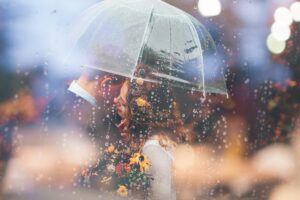
There is a vast difference between reporting a life and revealing a soul. When we look back at the moments that define us, we rarely remember them in neat, chronological summaries. We do not recall our lives as a bulleted list of dates, job titles, or addresses. Instead, our memories are rooted in the senses: the sharp crack of an auctioneer’s gavel where two pairs of eyes first met, the heavy scent of crushed tomato leaves inside a warm Cumbrian greenhouse, or the quiet rhythm of raindrops slipping down a windowpane while waiting for momentous news. As celebrants, our highest calling is not to stand before a gathering and read a flat, biographical report. Our purpose is to practice sensorial storytelling, which is the soulful art of introducing sensory magic into weddings, funerals, and every rite of passage in between.
Moving Beyond the Biographical Grid
It is incredibly easy to fall into the trap of formulaic writing and, disappointingly, this is what is taught in the majority of celebrant-training courses. Many traditional scripts follow a predictable trajectory: where a person was born, where they went to school, who they married, and what they did for a living. However, standard prose creates a standard ceremony. It stays on the surface, keeping the audience as passive listeners rather than active participants.
I know, from my lived experience as a celebrant, that to create a ceremony that is truly unforgettable, we have to move beyond biographical reporting and step into the art of sensorial storytelling. When we slow down and let the words form properly, we begin to look for the textures of a life. We move away from simply telling an audience what happened, and instead invite them to deeply feel it by the way our words (and voice) show the story.

How to Find the Textures of a Narrative
So, how do we do this? To lift a script from flat prose into a living, breathing tribute or love story, we must change the way we listen to our clients. During our family meetings and consultations, the magic lies in the specific, small details. Instead of asking broad questions, seek the sensory focal points:
The Sounds: Was it the booming, room-filling laughter that could be heard from down the street, or the quiet, deliberate way they turned the pages of an old book?
The Scents: Did their home always smell of old beeswax, freshly baked bread, or the salty tang of a wild coastal wind?
The Sights: Was it the specific way they held their partner’s hand, with fingers loosely interlaced, or the bright, unmistakable flash of a favourite velvet cloak?
There are many senses we can explore, such as:
- Nociception
- Magnetoreception
- Equilibrioception
- Mechanoreception
- Electroreception
- Chemoreception
- Baroception
- Hydric perception
- Textural intuition
When you blend these specific sensory notes into a script, something extraordinary happens in the room. The atmosphere shifts. A collective ripple of recognition, laughter, or tender tears passes through the gathering. You are no longer just reading words; you are conjuring a presence. And yes, it really does feel like magic! And that’s what I really love because it engages people. This applies as equally to love stories as to life stories.
Treating Scriptwriting as a Unique Work of Art
Our writing should be a joy, not a chore! Every love story and every life story is entirely unique. Therefore, no two ceremony scripts should ever sound the same. A true heart-led ceremony demands that we approach the blank page with reverence, imagination, and intuition. By intentionally grounding our narratives in the physical, sensory realities of the human experience, we create unforgettable milestones. We transform rituals into sacred, memorable spaces that linger in the hearts of the guests long after the final blessing is spoken. As a Heart-led Celebrant, I am committed to living, moving and writing past the surface details.
May we all slow down, listen to the quiet spaces between words, and bring the rich fullness of the human experience into the light.