What It Takes to Be an Extraordinary Celebrant
When people ask me what I do, standard answers come easily. I tell them about writing bespoke scripts, researching, sitting in meetings with families and couples, and officiating ceremonies for all rites of passage, not just the usual three: funerals, weddings and name-givings. However, I’ve had more than three decades of lived experience in this profession, and I know this to be true: celebrancy goes far deeper than reading words from a page. There is a world of difference between a standard officiant and an extraordinary celebrant.
Moving Beyond the Script
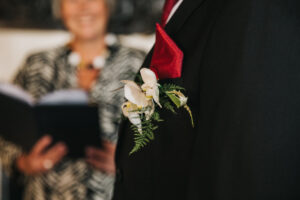
Anyone can take a template, insert a few names, and read the words aloud. Such an approach is not a ceremony; that action is merely administration. This way of officiating is standard amongst registrars and, disappointingly, is becoming commonplace in celebrancy. An extraordinary celebrant understands that our work sits at the threshold of human experience. Celebrants are invited into the most honest moments of people’s lives, standing alongside families in their joy and their sorrow. Every single client deserves our best. And our best? Well, it’s certainly not about standing there and ‘reading’. Reading/delivering is completely different to an extraordinary celebrant who makes lots of eye contact (not a cursory quick glance at the end of a sentence) and has full awareness of their pace, pitch, pause and presence. They don’t use a template. Every ceremony they write is unique.
Serving people well at these critical turning points requires mastery over the art of ceremony creation and presentation. Mastery means understanding how to choreograph a space so that everyone present feels the authenticity and beauty of the moment. Exceptional ceremony requires creative writing skills that bring a unique story to life, turning memories into a shared experience.
The Depths of Emotional Empathy
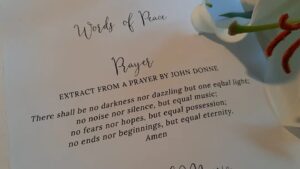
At the core of this vocation, for an extraordinary celebrant, lies emotional empathy. Such a person possesses the rare ability to sit with people in their most vulnerable states without judgement or agenda. This means listening not just to the words spoken, but to the silences, the subtext, and the unspoken grief or joy. An extraordinary celebrant has presence, and is not afraid of silence.
Empathy allows a celebrant to absorb the essence of a family’s experience and reflect it with awareness. Whether holding space for a grieving parent, a couple combining different faiths, or an individual reclaiming their identity, the celebrant must connect from the heart. True empathy creates a space where clients feel 100% seen, safe, and understood.

Cultivating Emotional Resilience
Holding space for devastating emotional lows requires immense resilience. Celebrants regularly step into spaces weighted with trauma, sudden loss, and complicated family dynamics. An extraordinary celebrant learns to navigate these delicate situations with grace, maintaining a calm and grounded presence when emotions run high.
Let me be clear: resilience doesn’t mean becoming detached or unfeeling. True resilience comes when we develop the capacity to feel deeply alongside our clients while being the strong foundation every ceremony requires. Celebrants must process vicarious trauma safely, ensuring personal well-being is maintained so that future families receive the same unwavering support.

The Power of Presence and Voice
An exceptional ceremony relies on how you show up in the room. A celebrant can write the most beautiful narrative, but the words will fail to connect if the speaker lacks the vocal qualities, skills and awareness to deliver them.
The voice functions as one of your primary tools. Vocals must hold the room, ground the nervous system of a grieving family, and lift the spirits of a wedding party. Mastering the voice requires dedicated training (and ongoing practise) to understand how to manage your breath, project your personality, and use pauses effectively. True presence allows the celebrant to hold the ceremony together, so the mourners/guests can remain immersed in their experience.

A Mind, Body, and Soul Approach
Ultimately, being an extraordinary celebrant is about connection. This career requires self-awareness, deep empathy, and the courage to meet people exactly where they are. Whether honouring a new life, a marriage, a final farewell, or one of countless other rites of passage, our focus must remain on authenticity.
To live, move and have our being in integrity, creativity and awareness is at the heart of the extraordinary Heart-led Celebrant.
Stepping into a deeply meaningful career means being ready to move past the ordinary. Success requires a willingness to invest time, heart, and energy into mastering this craft. The journey is demanding, but the reward of creating unforgettable milestones remains beyond measure. For many, this is a career. For others, it is a calling.
To explore more insights into the philosophy of Heart-led Celebrancy, feel free to read through our blog archive at Heart-led Celebrants.